OYEBANJI’S CONTINUITY: ASSURANCE OF A GREAT FUTURE FOR EKITI YOUTHS THROUGH SPORT
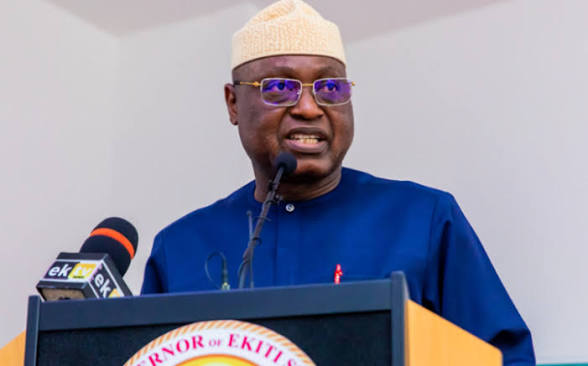
There was a time — not so long ago — when most talented youngsters sporting in Ekiti State have no hope: lack of facilities, poor administration and no attention to welfare of sport persons. The tracks were cracked. The courts were broken. A child who wanted to run had to find a road. A child who wanted to box had to find a shed. And when, against every odd, one in ten thousand managed to push through the neglect and represent Nigeria on an international stage, the government found a microphone. When that athlete returned home, they found the same crumbling ground they had left. The applause was real. The investment was not.
That was the baseline. It matters to name it plainly.
Nowhere was that neglect more visible than at the Oluyemi Kayode Stadium — once the pride of Ekiti sport, reduced over the years to a ground where the pitch was either waterlogged after rain or cracked, dusty and termite-infested under the sun. The tartan track surrounding it had aged past function, its surface so degraded that athletes trained on it at their own risk. Sports associations existed largely on paper, their leadership structures fractured, their athletes competing at national level sporadically, if at all. Ekiti United FC were fighting relegation. Ekiti Queens FC were fighting for survival. The state’s basketball team lacked the basic infrastructure to qualify for national youth competitions. Athletes who wore the Ekiti colours did so largely at personal cost, with no structured welfare, no monthly support, no institutional acknowledgement that their sacrifice had value.
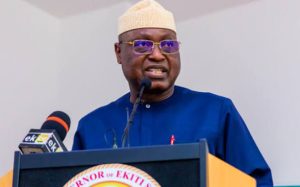
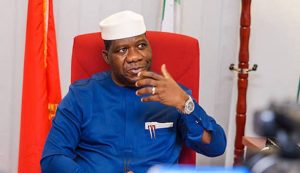
When Biodun Abayomi Oyebanji committed to sports transformation in his 2022 campaign, it was not the obvious political move. Sports infrastructure does not win elections the way roads do. Yet he named it, promised it, and — this is the part that deserves attention — has been visibly, measurably delivering it.
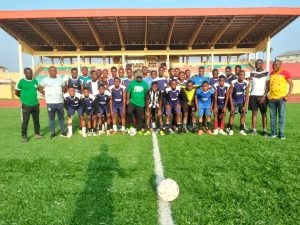
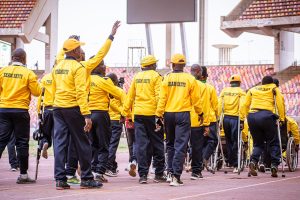
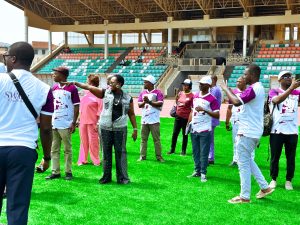
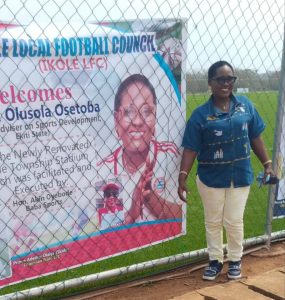
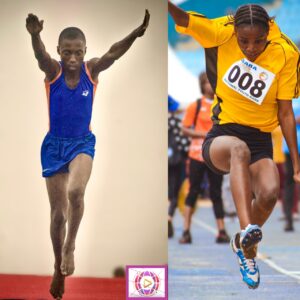
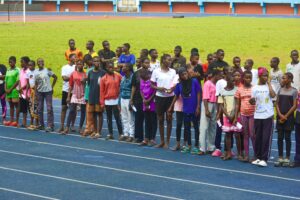
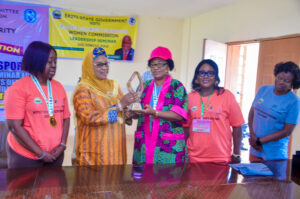
The Oluyemi Kayode Stadium has been overhauled: a modern synthetic pitch replacing the waterlogged, termite-riddled surface, a new tartan track laid where the old one had long surrendered to time. A new ultra-modern Indoor Sports Hall is nearing completion, purpose-built for basketball, volleyball, boxing, taekwondo, gymnastics and more. The Sports Council has been restructured into a functional Sports Commission with structured leadership across every sporting association in the state — meaning handball, volleyball, hockey, and dozens of other disciplines now have credible administration and are actively competing in their national premierships, not merely existing on paper.
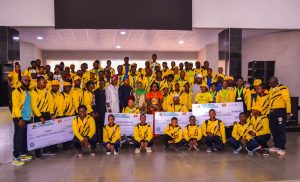
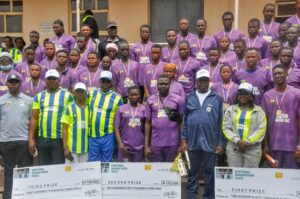
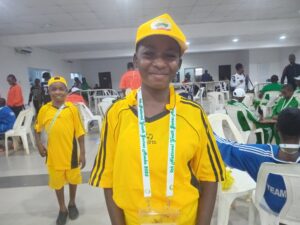
But perhaps the most human of the changes is this: Ekiti athletes now receive a monthly stipend from the state government. For the first time, wearing the Ekiti colours comes with the acknowledgement that talent has worth and sacrifice deserves support. That single policy has changed the relationship between the athlete and the state from one of extraction to one of investment — and it shows. Athletes are now receiving invitations to national teams in numbers that would have seemed improbable just a few years ago.
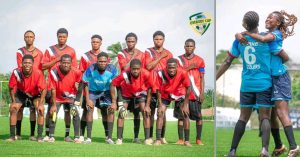
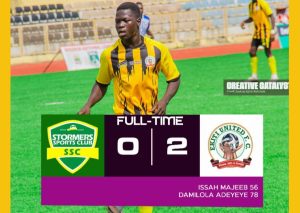
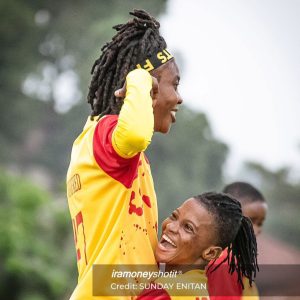
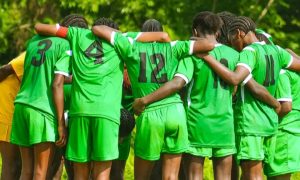
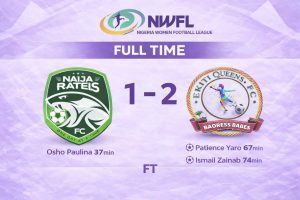
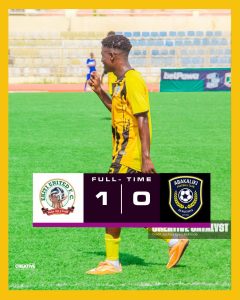
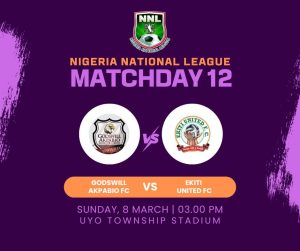
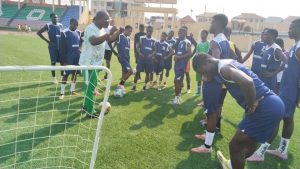
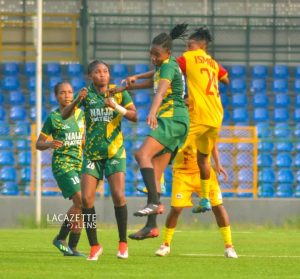
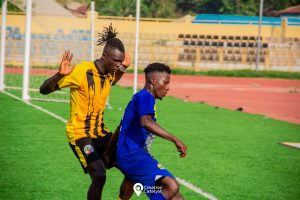
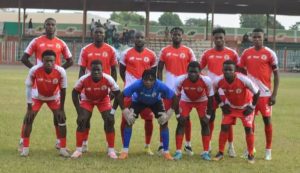
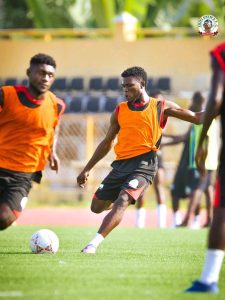
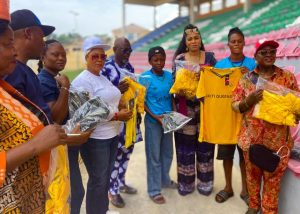
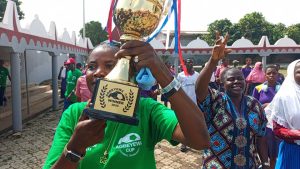
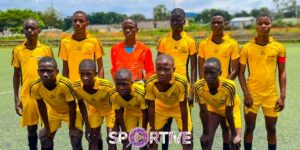
On the club front, the transformation is equally striking. Ekiti United FC have been rebuilt from a relegation side into a genuine force in the NNL. Ekiti Queens FC — this newspaper’s own subject of interest — have made a parallel journey, no longer scrambling to avoid the drop but establishing themselves as serious contenders in the NWFL. These are not small adjustments. They represent a fundamental shift in how Ekiti presents itself to Nigerian sport.
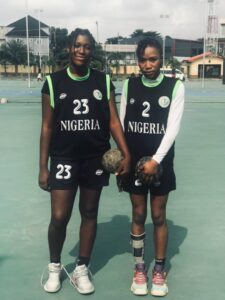
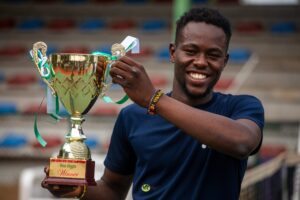
Then there is basketball. The Governor’s personal donation of international-standard uprights gave the state’s basketball programme the infrastructure it had always lacked. The result was historic: Ekiti’s basketball team participated in the National Youth Games in Asaba in 2025 for the first time — and did not merely participate. They won, defeating established powerhouses to become champions. At the broader National Sports Festival and National Youth Games, Ekiti’s overall performance has improved in ways that reflect what happens when athletes are trained, supported, and competing regularly rather than occasionally.
This is what the present looks like. And it looks nothing like the past.
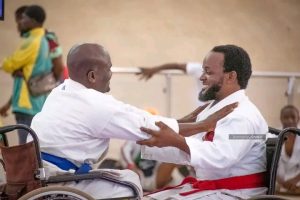
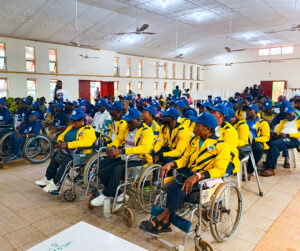
Sport, at maturity, is also an economy — employing doctors, lawyers, journalists, coaches, scouts, photographers, event managers and equipment suppliers, creating more livelihoods around the field than on it. The Sports Commission’s framework now spans athletics, boxing, para-sports, chess, taekwondo, and the full range of disciplines, because every child may not play the same sport, but every child can find a place in sport.
The deepest beneficiaries of this sustained vision are children not yet born — those who will enter an Ekiti where facilities, stipends, structured associations, and competitive pathways already exist as a matter of course, not miracle. But those children inherit only what this generation chooses to protect.
Roads can be completed in a single term.
Sporting culture cannot. It accumulates across a generation, and Ekiti is now at the most delicate moment of that accumulation — past neglect, past the promise, past early delivery, and standing at the threshold where the ecosystem either matures into something permanent or stalls and begins to unravel.
The foundation has been poured. The results are already visible. The question is whether Ekiti will see it through.
Go out. Mobilise. Vote overwhelmingly for Governor Biodun Abayomi Oyebanji. Not as a favour to a politician — but as a defence of every gain that has been made, and an investment in every Ekiti child who deserves a future that does not depend on luck.
That Ekiti is no longer just a vision. It is already being lived. Do not let it slip.
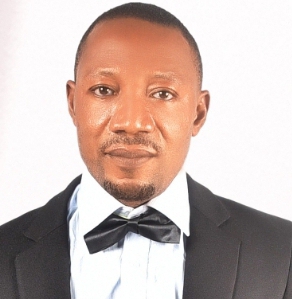
Akintomiwa Bolarinwa,
Media Aide to
Dr Olusola Osetoba,
TA Sports Development, Ekiti State.






































Post Comment